
Heim > Nachricht > Microsoft has reportedly shifted its strategic focus toward supporting third-party Xbox handheld devices, moving away from developing its own dedicated handheld console. This marks a notable pivot in Microsoft’s approach to the handheld gaming market, which has traditionally been dominated by Nintendo’s Switch and Sony’s handheld-focused offerings. The company has long been rumored to be working on a standalone Xbox handheld—potentially a successor to the Xbox Series X|S or a device built around its Game Pass subscription service. However, recent industry reports suggest that Microsoft is now prioritizing partnerships with external hardware manufacturers to bring Xbox-powered handhelds to market. This shift offers several advantages: Faster Time-to-Market: By leveraging existing hardware expertise from third-party developers (like Asus, Aya Neo, or Lenovo), Microsoft can accelerate the rollout of portable Xbox gaming devices. Broader Ecosystem: Supporting multiple handhelds allows for greater innovation and variety in form factors, pricing, and target audiences. Focus on Software and Services: With hardware development delegated to partners, Microsoft can concentrate on enhancing its cloud gaming infrastructure, Game Pass integration, and backward compatibility across devices. Microsoft’s emphasis on Xbox Game Pass, which already offers access to hundreds of games across devices—including mobile, PC, and console—aligns well with this strategy. A handheld powered by Game Pass could appeal to gamers seeking portability without the need to own multiple consoles. The company has not officially confirmed the end of its in-house handheld project, but indications from leadership and recent partnerships suggest a move toward an open, ecosystem-driven model. This approach mirrors Microsoft’s broader strategy of prioritizing cross-platform accessibility and service-based growth. In short, while Microsoft may still explore its own hardware in the future, its current focus is on enabling and empowering third-party developers to create Xbox-compatible handhelds—making gaming on the go more accessible and diverse than ever.
Microsoft has reportedly shifted its strategic focus toward supporting third-party Xbox handheld devices, moving away from developing its own dedicated handheld console. This marks a notable pivot in Microsoft’s approach to the handheld gaming market, which has traditionally been dominated by Nintendo’s Switch and Sony’s handheld-focused offerings. The company has long been rumored to be working on a standalone Xbox handheld—potentially a successor to the Xbox Series X|S or a device built around its Game Pass subscription service. However, recent industry reports suggest that Microsoft is now prioritizing partnerships with external hardware manufacturers to bring Xbox-powered handhelds to market. This shift offers several advantages: Faster Time-to-Market: By leveraging existing hardware expertise from third-party developers (like Asus, Aya Neo, or Lenovo), Microsoft can accelerate the rollout of portable Xbox gaming devices. Broader Ecosystem: Supporting multiple handhelds allows for greater innovation and variety in form factors, pricing, and target audiences. Focus on Software and Services: With hardware development delegated to partners, Microsoft can concentrate on enhancing its cloud gaming infrastructure, Game Pass integration, and backward compatibility across devices. Microsoft’s emphasis on Xbox Game Pass, which already offers access to hundreds of games across devices—including mobile, PC, and console—aligns well with this strategy. A handheld powered by Game Pass could appeal to gamers seeking portability without the need to own multiple consoles. The company has not officially confirmed the end of its in-house handheld project, but indications from leadership and recent partnerships suggest a move toward an open, ecosystem-driven model. This approach mirrors Microsoft’s broader strategy of prioritizing cross-platform accessibility and service-based growth. In short, while Microsoft may still explore its own hardware in the future, its current focus is on enabling and empowering third-party developers to create Xbox-compatible handhelds—making gaming on the go more accessible and diverse than ever.
It looks like Microsoft is shifting its focus away from developing a first-party Xbox handheld in favor of partnering with third-party manufacturers—most notably Asus—to bring an Xbox-branded handheld to market sooner.
Here's a clear breakdown of what’s happening:
🔄 Microsoft’s Shifting Strategy: From In-House to Partnership
- Original Plan: Build and launch its own Xbox handheld, potentially in 2027, as part of a broader next-gen Xbox hardware push.
- New Reality: Internal priorities have changed. According to Windows Central, Microsoft is now focusing on optimizing Windows 11 for gaming and supporting third-party handhelds.
- Key Move: Deepening collaboration with Asus on Project Kennan, the codename for the upcoming Xbox-branded handheld, likely an updated version of the ROG Ally.
✅ The hardware is nearly complete, and the device is currently undergoing testing at Microsoft HQ.
✅ It’s expected to feature the AMD Z2 Extreme processor, a key performance upgrade over previous models.
✅ Two variants (white and black) were spotted in certification leaks—differences may be cosmetic, though they could vary in cooling, finishes, or regional features.
🔧 What This Means for Gamers
- No Microsoft-built handheld in the near future — at least not until 2027 or later, if ever.
- Better immediate access to Xbox gaming on handhelds via trusted partners like Asus, who already have a proven track record with the ROG Ally.
- More ecosystem synergy: Windows 11 is being optimized for handheld gaming, ensuring smooth performance for Xbox Game Pass, cloud streaming, and native titles.
📣 Teasing the Future
- Asus ROG recently teased both a new Xbox controller and handheld device on X (formerly Twitter).
- The official Xbox account responded with a playful emoji, suggesting a major reveal is imminent.
- This hints at a formal launch event in the coming months — possibly at E3 2025, Gamescom, or Microsoft’s 2025 hardware showcase.
🚀 What’s Next?
- Xbox Series X successor is reportedly fully in production, set to launch in 2026 (aligning with Sarah Bond’s "biggest technological leap ever" comment).
- Project Kennan (Asus-led) could launch as early as late 2025, serving as Microsoft’s first official Xbox handheld — even if it’s not built by Microsoft.
✅ Summary
| Aspect | Status |
|---|---|
| First-party Xbox handheld (Microsoft-built) | Delayed / Likely Cancelled |
| Xbox-branded handheld (Asus/ROG Ally 2) | In advanced testing, likely 2025 launch |
| Focus on Windows 11 handheld optimization | Active, prioritized |
| Microsoft’s next-gen console | In full production, 2026 release expected |
| Official reveal of new Xbox handheld | Imminent — likely 2025 |
📌 Final Takeaway:
Microsoft isn’t giving up on handheld gaming — it’s evolving. Instead of building its own device from scratch, it’s leveraging partners to get Xbox gaming into players’ hands faster, while laying the groundwork for a more powerful future.
👉 Get ready for a major Xbox handheld announcement — likely soon. The era of Xbox on the go is finally here — just not quite the way we expected.











-
1
Die Anzahl der gleichzeitigen Spieler von Apex Legends sinkt immer weiter
Dec 30,2024
-
2

Alien: Romulus 'fixes' schreckliches Ian Holm CGI für die Veröffentlichung zu Hause, aber die Fans denken immer noch, dass es ziemlich schlecht ist
Mar 03,2025
-
3
Roblox: Bekanntheitscodes (Januar 2025)
Jan 17,2025
-
4
Roblox: Get exklusive "Squid Game" Staffel 2 Codes für epische Belohnungen
Feb 20,2025
-
5
Roblox King Legacy: Codes für Dezember 2024 (aktualisiert)
Dec 24,2024
-
6
Metapher: Refantazio veröffentlicht ein neues Update für Januar 2025
Feb 20,2025
-
7

Beta-Testtermine für Call Of Duty: Black Ops 6 bestätigt
Jan 05,2025
-
8
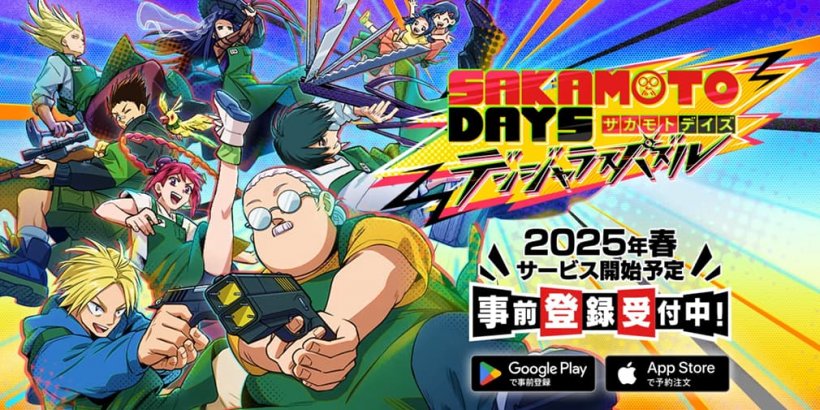
Sakamoto-Rätsel löst sich in Japan auf
Jan 27,2025
-
9
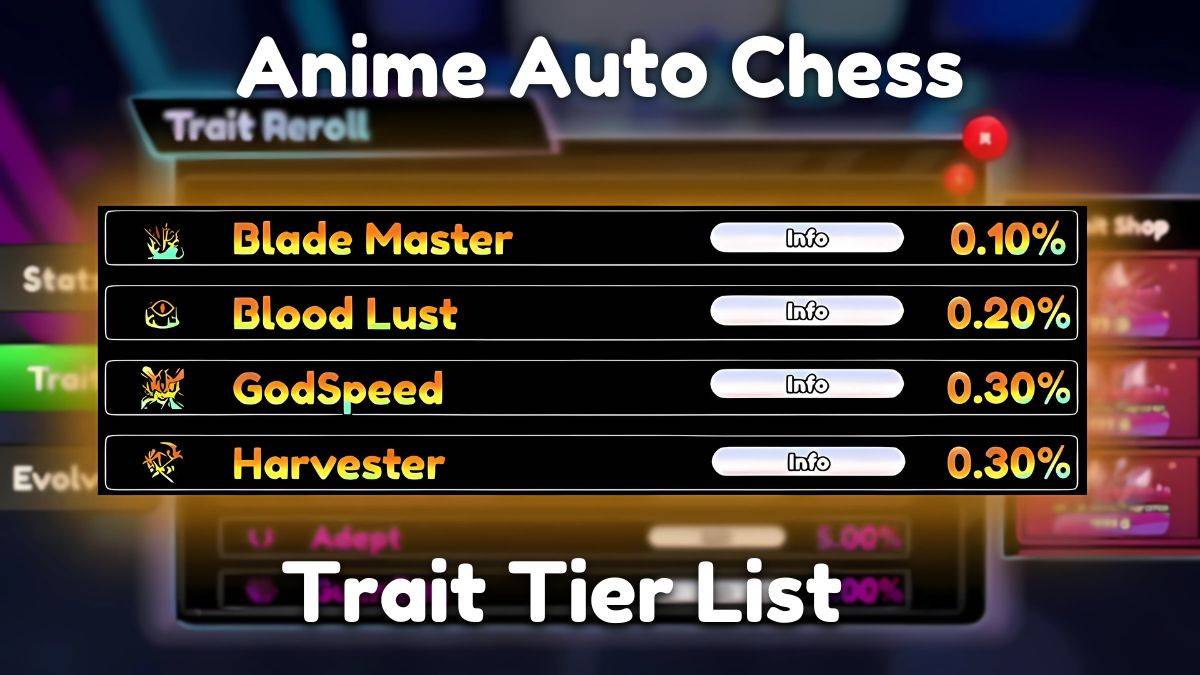
Anime -Autoschach: Januar 2025 Merkmalsliste Update
Mar 13,2025
-
10
Marvel Rivals Debüts Midtown Map Update
Feb 02,2025
-
Herunterladen

Magnet Hero
Aktion / 45.6 MB
Aktualisieren: Feb 11,2025
-
Herunterladen

Raising Gang-Girls:Torment Mob
Rollenspiel / 39.42M
Aktualisieren: May 06,2023
-
Herunterladen

Bulma Adventure 2
Lässig / 57.55M
Aktualisieren: Mar 09,2024
-
4
Rusting Souls
-
5
IDV - IMAIOS DICOM Viewer
-
6
Brawl Box Stars Simulator
-
7
Love and Deepspace Mod
-
8
Learning Color Shapes for kids
-
9
VRNOID demo(Meta Quest)
-
10
كلمة السر