
Hogar > Noticias > Microsoft has reportedly shifted its focus toward supporting third-party Xbox handheld devices, signaling a strategic pivot away from developing its own standalone gaming handheld. While Microsoft initially teased a potential Xbox handheld in 2023, recent industry reports suggest the company is now prioritizing integration with existing and upcoming third-party handhelds—such as the upcoming Nintendo Switch 2 and various Android-based gaming handhelds like the ASUS ROG Ally, AYANEO, and the upcoming Steam Deck OLED. This shift appears to align with Microsoft's broader strategy of expanding Xbox Game Pass access across multiple platforms. By ensuring Game Pass titles are readily available on a wide range of handheld devices, Microsoft aims to maximize reach and adoption without the high development and manufacturing costs of creating its own hardware. Sources close to Microsoft's gaming division indicate that the company is investing heavily in optimizing Xbox Cloud Gaming (xCloud) for mobile and handheld use, along with refining the Game Pass app experience on non-PC platforms. This effort makes it easier for gamers to play their favorite Xbox titles on handhelds, regardless of brand. In a statement, a Microsoft spokesperson emphasized: "Our mission is to deliver the best gaming experience on any device. By enabling Game Pass and Xbox Cloud Gaming on a diverse range of handhelds, we’re empowering players to enjoy Xbox games anytime, anywhere—without being tied to a single hardware platform." This move could also help Microsoft compete with Sony’s strong handheld momentum (e.g., PlayStation Portal) and Nintendo’s handheld dominance, while avoiding the risk of a hardware bet that might not gain traction. In summary, Microsoft’s focus on third-party handhelds reflects a smarter, more scalable strategy—leveraging its software and cloud infrastructure to extend the Xbox brand across devices, rather than competing head-on in the hardware race.
Microsoft has reportedly shifted its focus toward supporting third-party Xbox handheld devices, signaling a strategic pivot away from developing its own standalone gaming handheld. While Microsoft initially teased a potential Xbox handheld in 2023, recent industry reports suggest the company is now prioritizing integration with existing and upcoming third-party handhelds—such as the upcoming Nintendo Switch 2 and various Android-based gaming handhelds like the ASUS ROG Ally, AYANEO, and the upcoming Steam Deck OLED. This shift appears to align with Microsoft's broader strategy of expanding Xbox Game Pass access across multiple platforms. By ensuring Game Pass titles are readily available on a wide range of handheld devices, Microsoft aims to maximize reach and adoption without the high development and manufacturing costs of creating its own hardware. Sources close to Microsoft's gaming division indicate that the company is investing heavily in optimizing Xbox Cloud Gaming (xCloud) for mobile and handheld use, along with refining the Game Pass app experience on non-PC platforms. This effort makes it easier for gamers to play their favorite Xbox titles on handhelds, regardless of brand. In a statement, a Microsoft spokesperson emphasized: "Our mission is to deliver the best gaming experience on any device. By enabling Game Pass and Xbox Cloud Gaming on a diverse range of handhelds, we’re empowering players to enjoy Xbox games anytime, anywhere—without being tied to a single hardware platform." This move could also help Microsoft compete with Sony’s strong handheld momentum (e.g., PlayStation Portal) and Nintendo’s handheld dominance, while avoiding the risk of a hardware bet that might not gain traction. In summary, Microsoft’s focus on third-party handhelds reflects a smarter, more scalable strategy—leveraging its software and cloud infrastructure to extend the Xbox brand across devices, rather than competing head-on in the hardware race.
It looks like Microsoft is shifting its strategy away from developing a first-party Xbox handheld console — at least in the near term — and instead placing greater emphasis on partner-driven, third-party handhelds, particularly its collaboration with Asus on the Xbox-branded ROG Ally 2 (codenamed Project Kennan).
Key Takeaways from the Report:
-
No immediate launch for Microsoft’s own handheld:
While earlier rumors suggested a Microsoft-made handheld could debut around 2027, Windows Central now reports that internal priorities have shifted. The company is putting off its own hardware development to focus on enabling and optimizing the ecosystem for third-party devices. -
Focus on Windows 11 gaming performance:
Microsoft is investing heavily in making Windows 11 a more powerful platform for gaming, especially for handhelds and portable devices. This includes better power management, input optimization, and game streaming (via Xbox Cloud Gaming). -
Asus ROG Ally 2 is "essentially finished":
The hardware for the successor to the ROG Ally is reportedly complete and currently undergoing testing at Microsoft HQ. It’s expected to feature the AMD Z2 Extreme processor, which promises strong performance for a handheld device. -
Visuals and leaks confirm progress:
Leaked images from Indonesia’s certification body show both white and black versions of the Asus ROG Ally 2, with no visible differences in specs yet. The fact that units are being tested openly suggests Microsoft is actively involved in the development process. -
Xbox brand presence on partner devices:
The official Xbox Twitter account responded to Asus’ teaser with a playful emoji — a clear signal that Microsoft is officially endorsing the device as part of its gaming ecosystem. This marks a strategic move: branding a third-party device as "Xbox", much like how Xbox has supported third-party controllers and headsets. -
Next-gen Xbox hardware still on track:
The successor to the Xbox Series X is fully in production, per Microsoft’s own statements. President Sarah Bond confirmed they’re “moving full speed ahead” on the next generation, aiming for a major technological leap, likely in 2025.
What This Means for Gamers:
- ✅ Better near-term options: The ROG Ally 2 (and other future OEM handhelds) will likely deliver strong performance and Xbox integration sooner than a Microsoft-branded device would have.
- ⏳ Microsoft’s own handheld delayed: A first-party Xbox handheld may still happen — but not before 2027, and potentially even later, depending on market feedback.
- 💡 Ecosystem over exclusivity: Microsoft is betting that driving adoption of Xbox Cloud Gaming, backward compatibility, and optimized Windows 11 gaming across many devices will be more effective than trying to dominate the handheld market alone.
Final Verdict:
Microsoft isn’t abandoning handheld gaming — it’s evolving its approach. By partnering with Asus and others, it’s prioritizing ecosystem growth and platform dominance over vertical integration. This could mean more choice, better optimization, and faster innovation for handheld gamers — even if it means waiting longer for a true “Microsoft-made” Xbox handheld.
🔍 Keep an eye out: A formal reveal of the ROG Ally 2 (or at least official confirmation) could come anytime now, especially with the teaser from Asus and the playful reaction from the Xbox account.










-
1
Apex Legends sigue cayendo en el número de jugadores simultáneos
Dec 30,2024
-
2
Alien: Romulus 'fijo' terrible Ian Holm CGI para el lanzamiento en casa, pero los fanáticos todavía piensan que es bastante malo
Mar 03,2025
-
3
Roblox: Códigos de notoriedad (enero 2025)
Jan 17,2025
-
4
ROBLOX: Obtenga códigos exclusivos de "juego de calamar" de la temporada 2 para las recompensas épicas
Feb 20,2025
-
5
Roblox King Legacy: Códigos de diciembre de 2024 (actualizado)
Dec 24,2024
-
6
Metáfora: Refantazio publica una nueva actualización para enero de 2025
Feb 20,2025
-
7

Fechas de prueba beta de Call Of Duty: Black Ops 6 confirmadas
Jan 05,2025
-
8
El rompecabezas de Sakamoto se resuelve en Japón
Jan 27,2025
-
9
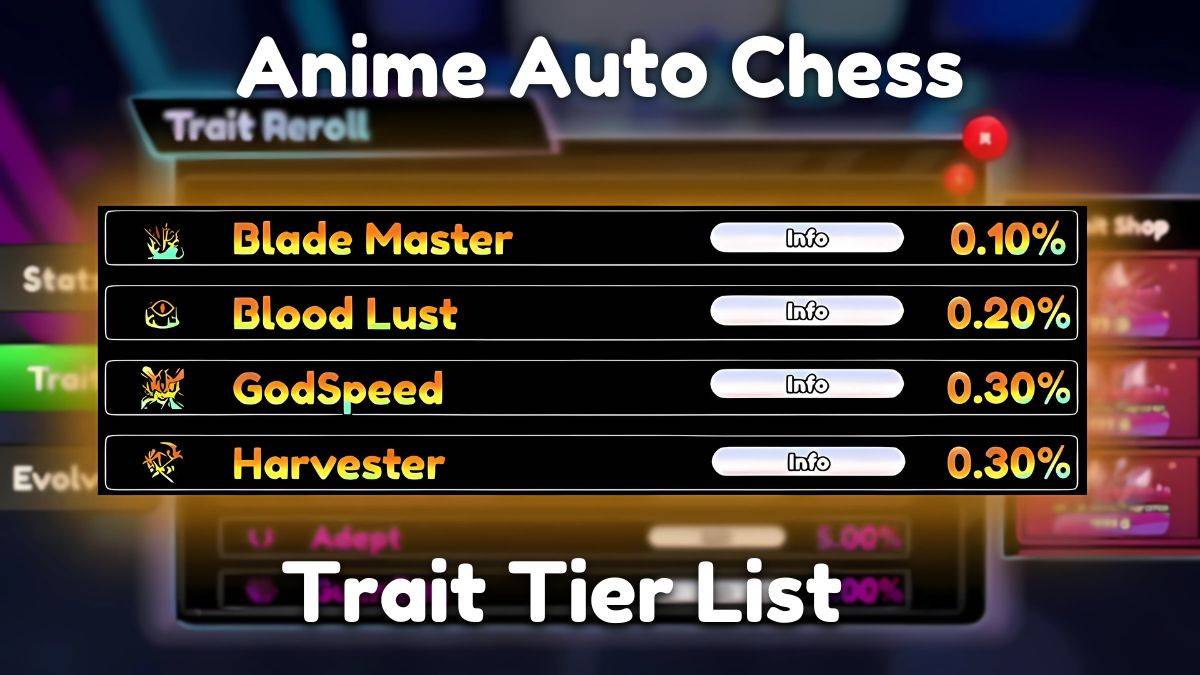
Ajedrez automático de anime: actualización de la lista de niveles de rasgos de enero de 2025
Mar 13,2025
-
10
Marvel Rivals debuta la actualización del mapa de Midtown
Feb 02,2025
-
Descargar

Magnet Hero
Acción / 45.6 MB
Actualizar: Feb 11,2025
-
Descargar

Raising Gang-Girls:Torment Mob
Juego de roles / 39.42M
Actualizar: May 06,2023
-
Descargar

Bulma Adventure 2
Casual / 57.55M
Actualizar: Mar 09,2024
-
4
Rusting Souls
-
5
IDV - IMAIOS DICOM Viewer
-
6
Brawl Box Stars Simulator
-
7
Love and Deepspace Mod
-
8
Bebé aprendiendo formas
-
9
VRNOID demo(Meta Quest)
-
10
كلمة السر