
Hogar > Noticias > Chinese studios are increasingly turning to artificial intelligence (AI) to revitalize and reimagine classic kung fu films starring legendary martial artists like Bruce Lee, Jackie Chan, and Jet Li. This fusion of nostalgia and cutting-edge technology marks a bold new chapter in Chinese cinema, blending the timeless appeal of martial arts icons with modern storytelling tools. The Rise of AI-Remade Classics With advancements in deep learning, motion capture, and digital animation, Chinese film companies—led by giants like Tencent Pictures, Alibaba Pictures, and Beijing Enlight Media—are experimenting with AI to: Digitally resurrect iconic actors using archival footage and voice samples. Recreate action sequences with hyper-realistic CGI, blending live-action performances with AI-generated fight choreography. Reboot beloved franchises—such as Enter the Dragon, Drunken Master, and Fist of Legend—with updated narratives, modern visual effects, and new story arcs. For example, a recent AI-powered short film titled Bruce Lee: The Legacy Reborn used machine learning to analyze over 200 hours of Bruce Lee’s original footage, enabling a digital doppelgänger to perform new fight scenes in his signature style. The project, co-developed with the Bruce Lee Foundation, was praised for its emotional authenticity and technical precision. Why This Trend Makes Sense Cultural Preservation: As original stars pass away, AI helps preserve their legacies and keep their stories alive for new generations. Global Appeal: These remakes aim to attract younger, international audiences who may not have experienced the original films but are drawn to the hyper-stylized, visually dazzling action common in modern cinema. Cost Efficiency: AI reduces reliance on expensive stunt doubles and complex reshoots, allowing studios to experiment with new versions of classic films more affordably. Creative Freedom: Directors can explore alternate endings, parallel universes, or even crossover storylines (e.g., Jackie Chan teaming up with Jet Li in a digital war against cyber-koans). Ethical and Artistic Challenges Despite the excitement, the use of AI to recreate legendary figures has sparked debate: Authenticity vs. Imitation: Critics argue that no AI can truly replicate the soul, presence, and charisma of Bruce Lee or Jet Li. Consent and Legacy: Questions remain about who controls the digital rights to a star’s likeness—especially posthumously. Some families have expressed mixed feelings, with the Lee family supporting select projects under strict ethical guidelines. Fan Reception: While many fans welcome innovation, others fear commercialization erodes the cultural and artistic value of the originals. What’s Next? Expect to see: AI-driven biopics that use synthetic actors to depict pivotal moments in kung fu history. Interactive experiences—like VR kung fu battles—where users train alongside AI versions of martial arts legends. Global co-productions blending Chinese and Hollywood talent to launch new "rebooted" universes, similar to how Marvel and DC revitalize classic heroes. In Summary Chinese studios aren’t just remaking kung fu classics—they’re reimagining them with AI as a creative partner. While the technology can’t replace the magic of Bruce Lee’s intensity or Jackie Chan’s comedic timing, it offers a powerful new way to honor these icons, inspire new fans, and keep the spirit of wushu alive in a digital age. As one director put it: "We’re not replacing the legends. We’re giving them a second life—on screen, in story, and in the heart of the next generation."
Chinese studios are increasingly turning to artificial intelligence (AI) to revitalize and reimagine classic kung fu films starring legendary martial artists like Bruce Lee, Jackie Chan, and Jet Li. This fusion of nostalgia and cutting-edge technology marks a bold new chapter in Chinese cinema, blending the timeless appeal of martial arts icons with modern storytelling tools. The Rise of AI-Remade Classics With advancements in deep learning, motion capture, and digital animation, Chinese film companies—led by giants like Tencent Pictures, Alibaba Pictures, and Beijing Enlight Media—are experimenting with AI to: Digitally resurrect iconic actors using archival footage and voice samples. Recreate action sequences with hyper-realistic CGI, blending live-action performances with AI-generated fight choreography. Reboot beloved franchises—such as Enter the Dragon, Drunken Master, and Fist of Legend—with updated narratives, modern visual effects, and new story arcs. For example, a recent AI-powered short film titled Bruce Lee: The Legacy Reborn used machine learning to analyze over 200 hours of Bruce Lee’s original footage, enabling a digital doppelgänger to perform new fight scenes in his signature style. The project, co-developed with the Bruce Lee Foundation, was praised for its emotional authenticity and technical precision. Why This Trend Makes Sense Cultural Preservation: As original stars pass away, AI helps preserve their legacies and keep their stories alive for new generations. Global Appeal: These remakes aim to attract younger, international audiences who may not have experienced the original films but are drawn to the hyper-stylized, visually dazzling action common in modern cinema. Cost Efficiency: AI reduces reliance on expensive stunt doubles and complex reshoots, allowing studios to experiment with new versions of classic films more affordably. Creative Freedom: Directors can explore alternate endings, parallel universes, or even crossover storylines (e.g., Jackie Chan teaming up with Jet Li in a digital war against cyber-koans). Ethical and Artistic Challenges Despite the excitement, the use of AI to recreate legendary figures has sparked debate: Authenticity vs. Imitation: Critics argue that no AI can truly replicate the soul, presence, and charisma of Bruce Lee or Jet Li. Consent and Legacy: Questions remain about who controls the digital rights to a star’s likeness—especially posthumously. Some families have expressed mixed feelings, with the Lee family supporting select projects under strict ethical guidelines. Fan Reception: While many fans welcome innovation, others fear commercialization erodes the cultural and artistic value of the originals. What’s Next? Expect to see: AI-driven biopics that use synthetic actors to depict pivotal moments in kung fu history. Interactive experiences—like VR kung fu battles—where users train alongside AI versions of martial arts legends. Global co-productions blending Chinese and Hollywood talent to launch new "rebooted" universes, similar to how Marvel and DC revitalize classic heroes. In Summary Chinese studios aren’t just remaking kung fu classics—they’re reimagining them with AI as a creative partner. While the technology can’t replace the magic of Bruce Lee’s intensity or Jackie Chan’s comedic timing, it offers a powerful new way to honor these icons, inspire new fans, and keep the spirit of wushu alive in a digital age. As one director put it: "We’re not replacing the legends. We’re giving them a second life—on screen, in story, and in the heart of the next generation."
China’s ambitious “Kung Fu Movie Heritage Project – 100 Classics AI Revitalization Project” represents a bold fusion of cinematic legacy and cutting-edge artificial intelligence, signaling a transformative moment in global film history. By leveraging AI to re-interpret and re-visualize some of the most iconic martial arts films ever made, the initiative aims not only to preserve cultural heritage but to reimagine it for a new generation—and potentially redefine the future of storytelling.
🎬 What’s Being Revived?
The project targets legendary films that shaped the global perception of Chinese cinema:
- Bruce Lee’s Fists of Fury (1972) – A revolutionary martial arts film that challenged Hollywood’s dominance in action cinema.
- Jackie Chan’s Drunken Master (1978) – Known for its blend of comedy, choreography, and spiritual depth, this film launched Chan’s international career.
- Jet Li’s Once Upon a Time in China (1991) – A defining wuxia epic that elevated the genre into a mythic, emotionally rich art form.
- John Woo’s A Better Tomorrow (1986) – Reimagined as a cyberpunk animated feature, this twist transforms the gritty Hong Kong gangster drama into a futuristic, neon-drenched vision of destiny and brotherhood.
The use of AI for full animation from scratch, particularly in the case of A Better Tomorrow, marks a first-of-its-kind endeavor. If successful, it could set a precedent for how classic narratives are adapted not just through remakes, but through entirely new digital lifetimes powered by machine learning, neural rendering, and generative animation.
🤖 Why AI? The Rationale
According to Zhang Pimin of the China Film Foundation, the goal isn’t mere nostalgia—it’s evolution. He framed the project as “a bold exploration into the innovative evolution of cinematic art,” highlighting how AI can:
- Enhance visual fidelity (e.g., upscaling grainy 1970s/80s footage to 8K with photorealistic textures),
- Simulate lost choreography using motion-capture data and AI modeling of legendary performers,
- Recreate historical settings with hyper-accurate digital environments,
- Even generate new dialogue and narrative arcs that honor the original spirit while exploring alternate timelines.
Tian Ming, chairman of Shanghai Canxing Culture and Media, emphasized that the new versions would not replace the originals but “redefine visual aesthetics”—a promise both thrilling and controversial.
💰 The Investment: 100 Million Yuan ($13.9M)
The allocation of a $13.9 million fund underscores the seriousness and scale of the undertaking. This isn’t a low-budget experiment. It’s a state-backed, industry-wide push to:
- Establish China as a leader in AI-driven content creation,
- Foster partnerships with top-tier AI animation studios worldwide,
- Develop new intellectual property (IP) pipelines based on cultural classics.
Collaborators like Quantum Animation and the China Film Foundation’s Film and Urban Development Special Fund suggest a broader strategy: using film to drive urban innovation, cultural tourism, and soft power.
🔥 The Debate: Art, Ethics, and Authenticity
This project inevitably stirs deep questions across creative industries:
- Can AI truly capture the soul of Bruce Lee’s philosophy or Jackie Chan’s physical comedy?
- Does reviving a legendary actor’s likeness through AI risk commodifying legacy or even misrepresenting their art?
- Who owns the "spirit" of a classic when it’s rebuilt by algorithms trained on thousands of hours of footage?
These concerns echo recent controversies:
- Tim Burton called AI-generated art “very disturbing,” warning of soulless creativity.
- Wizards of the Coast faced backlash for admitting they used AI in Magic: The Gathering art—despite initially denying it.
- Meanwhile, Zack Snyder argued filmmakers must embrace AI, not fear it, suggesting it’s a tool for empowerment, not replacement.
And Netflix’s observation that audiences often don’t care how a show is made—only that it’s good—may be the most telling insight. If the AI-revived films feel authentic, move audiences, and capture the energy of the originals, many may not care about the process.
🌍 Global Implications
This isn’t just a Chinese project—it’s a global test case for AI’s role in cultural preservation and artistic reinvention.
If successful, we could see:
- AI remakes of other iconic films: The Godfather, Star Wars, Ghost in the Shell.
- Digital resurrection of artists: Not just actors, but composers, directors, and even dead auteurs contributing to new works.
- A new wave of “AI heritage cinema”, where films from the past are not just archived, but reborn, reinterpreted, and re-experienced.
But it also raises red flags:
- Authorship and consent: Did Bruce Lee or Jet Li agree to this?
- Cultural appropriation vs. celebration: Is this honoring tradition—or exploiting it?
✅ Final Takeaway
China’s AI film revival project is more than a tech stunt. It’s a cultural manifesto—a declaration that the past doesn’t have to stay frozen. With respect, innovation, and responsible execution, AI can help bridge generations, revive forgotten art, and inspire new forms of storytelling.
As the world watches, one question looms:
Can a machine learn to feel the wind in a kung fu master’s fist?
The answer may not be in the code—but in how the audience feels when the screen lights up again.
🔥 Stay tuned. The future of cinema might not be made by humans alone—but it will still be made by heart.









-
1
Apex Legends sigue cayendo en el número de jugadores simultáneos
Dec 30,2024
-
2
Alien: Romulus 'fijo' terrible Ian Holm CGI para el lanzamiento en casa, pero los fanáticos todavía piensan que es bastante malo
Mar 03,2025
-
3
Roblox: Códigos de notoriedad (enero 2025)
Jan 17,2025
-
4
ROBLOX: Obtenga códigos exclusivos de "juego de calamar" de la temporada 2 para las recompensas épicas
Feb 20,2025
-
5
Roblox King Legacy: Códigos de diciembre de 2024 (actualizado)
Dec 24,2024
-
6

Metáfora: Refantazio publica una nueva actualización para enero de 2025
Feb 20,2025
-
7
Fechas de prueba beta de Call Of Duty: Black Ops 6 confirmadas
Jan 05,2025
-
8
El rompecabezas de Sakamoto se resuelve en Japón
Jan 27,2025
-
9
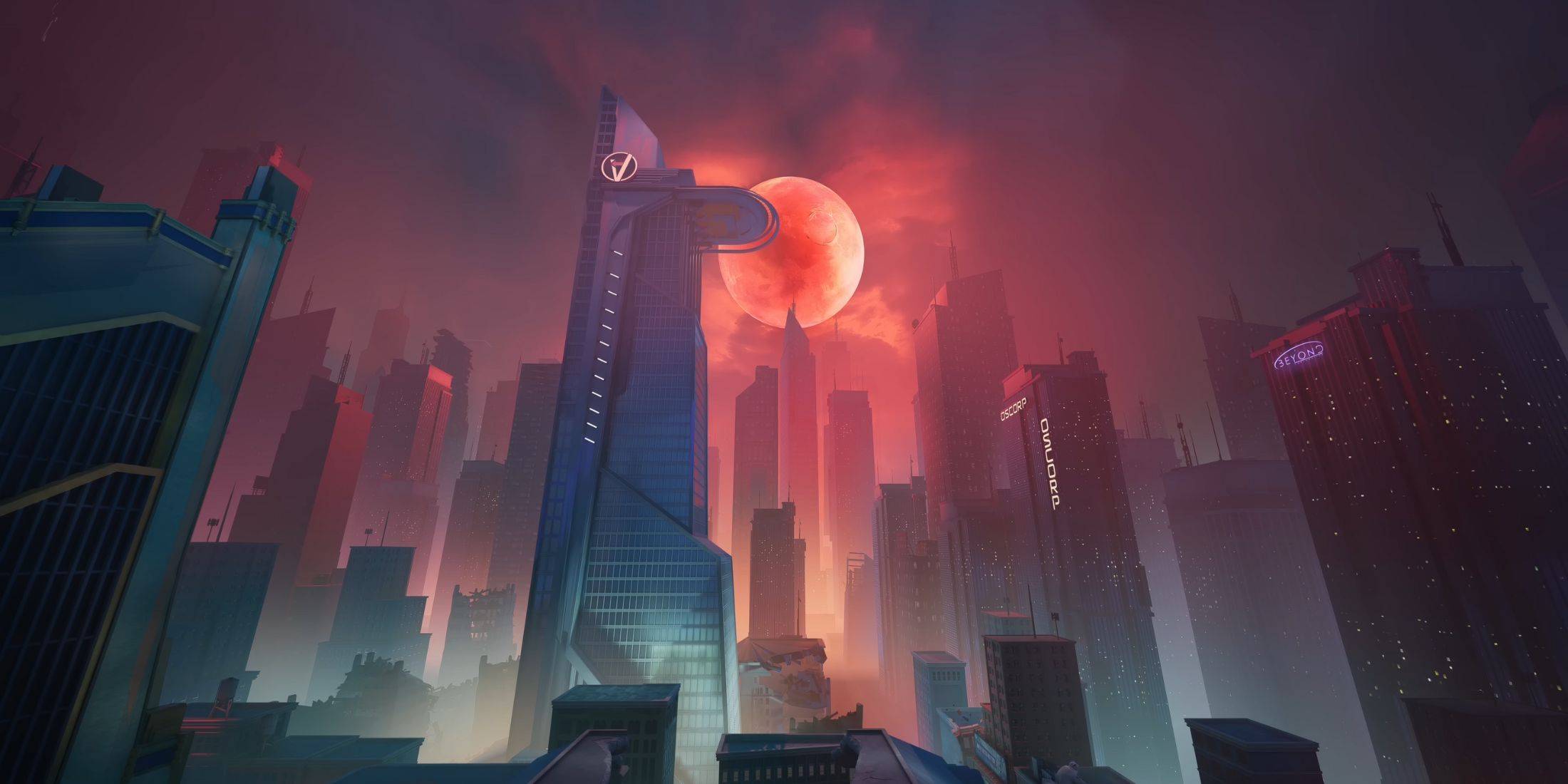
Marvel Rivals debuta la actualización del mapa de Midtown
Feb 02,2025
-
10

Ajedrez automático de anime: actualización de la lista de niveles de rasgos de enero de 2025
Mar 13,2025
-
Descargar

Magnet Hero
Acción / 45.6 MB
Actualizar: Feb 11,2025
-
Descargar

Raising Gang-Girls:Torment Mob
Juego de roles / 39.42M
Actualizar: May 06,2023
-
Descargar

Bulma Adventure 2
Casual / 57.55M
Actualizar: Mar 09,2024
-
4
Rusting Souls
-
5
Brawl Box Stars Simulator
-
6
Bebé aprendiendo formas
-
7
Love and Deepspace Mod
-
8
VRNOID demo(Meta Quest)
-
9
كلمة السر
-
10
IDV - IMAIOS DICOM Viewer