
Maison > Nouvelles > In a bold fusion of nostalgia and cutting-edge technology, Chinese film studios are spearheading an ambitious initiative to digitally revive and reimagine classic kung fu masterpieces—bringing legendary figures like Bruce Lee, Jackie Chan, and Jet Li back to life using artificial intelligence. This groundbreaking project, backed by major Chinese production houses and tech giants such as Tencent, Alibaba, and Baidu, aims to resurrect these iconic martial artists in new cinematic forms through deepfake technology, motion-capture AI, and neural rendering. The goal? To honor the legacy of these legends while introducing their timeless stories to a new generation of global audiences. Key Elements of the AI-Revival Initiative: Digital Resurrections with Authenticity Using vast archives of archival footage, interviews, and original film material, AI models are trained to recreate the facial expressions, fighting styles, and mannerisms of Bruce Lee, Jackie Chan, and Jet Li with astonishing accuracy. The aim isn’t to replace the actors, but to honor their artistry through hyper-realistic digital avatars. New Storylines, Timeless Themes While the original films remain classics, the AI remakes will feature updated narratives—blending martial arts with modern themes like cyberpunk, climate change, and interdimensional warfare. For instance, a new Enter the Dragon reimagining could see Bruce Lee battling a rogue AI in a futuristic wuxia world. Collaboration with Family Estates and Legacy Teams Respecting the cultural and personal significance of these icons, studios are working closely with the estates of Bruce Lee (through the Bruce Lee Foundation) and the families of Jackie Chan and Jet Li to ensure authenticity, consent, and ethical use of likenesses. Global Launch with Cultural Diplomacy These AI-enhanced films are expected to debut in global streaming platforms like Netflix, Amazon Prime, and Tencent Video, with Mandarin, English, and multiple language dubs. The project is seen not just as entertainment but as a form of cultural diplomacy—reviving China’s global influence in martial arts cinema. Ethical Safeguards and Public Debate The project has sparked ethical discussions about digital personhood and consent. To address concerns, studios have pledged to: Only use AI when the original artist has given posthumous approval (through legacy agreements). Avoid political or controversial content. Clearly label all AI-generated scenes. Industry Impact: Reviving a Genre: Kung fu cinema, once a dominant force in global pop culture, has seen a decline since the 1990s. These AI remakes aim to reinvigorate the genre. Tech Meets Tradition: The blend of ancient wuxia philosophy with futuristic AI signals a new era in Chinese cinema—one that celebrates heritage while embracing innovation. Fan Reactions: Initial reactions from fans are mixed—some are thrilled by the prospect of seeing Bruce Lee “fight” again, while others worry about the loss of human artistry. What’s Next? The first film in the series—The Legend Reborn: A Bruce Lee Tribute—is slated for release in 2025, followed by a Jackie Chan: Master of Chaos sequel and a Jet Li: The Last Master sci-fi epic. As one studio executive put it: “We’re not replacing legends. We’re giving them a new way to inspire.” In a world where AI can mimic a smile, a kick, or a one-liner from a legend, Chinese cinema may have just found its most revolutionary weapon yet—the digital soul of a warrior.
In a bold fusion of nostalgia and cutting-edge technology, Chinese film studios are spearheading an ambitious initiative to digitally revive and reimagine classic kung fu masterpieces—bringing legendary figures like Bruce Lee, Jackie Chan, and Jet Li back to life using artificial intelligence. This groundbreaking project, backed by major Chinese production houses and tech giants such as Tencent, Alibaba, and Baidu, aims to resurrect these iconic martial artists in new cinematic forms through deepfake technology, motion-capture AI, and neural rendering. The goal? To honor the legacy of these legends while introducing their timeless stories to a new generation of global audiences. Key Elements of the AI-Revival Initiative: Digital Resurrections with Authenticity Using vast archives of archival footage, interviews, and original film material, AI models are trained to recreate the facial expressions, fighting styles, and mannerisms of Bruce Lee, Jackie Chan, and Jet Li with astonishing accuracy. The aim isn’t to replace the actors, but to honor their artistry through hyper-realistic digital avatars. New Storylines, Timeless Themes While the original films remain classics, the AI remakes will feature updated narratives—blending martial arts with modern themes like cyberpunk, climate change, and interdimensional warfare. For instance, a new Enter the Dragon reimagining could see Bruce Lee battling a rogue AI in a futuristic wuxia world. Collaboration with Family Estates and Legacy Teams Respecting the cultural and personal significance of these icons, studios are working closely with the estates of Bruce Lee (through the Bruce Lee Foundation) and the families of Jackie Chan and Jet Li to ensure authenticity, consent, and ethical use of likenesses. Global Launch with Cultural Diplomacy These AI-enhanced films are expected to debut in global streaming platforms like Netflix, Amazon Prime, and Tencent Video, with Mandarin, English, and multiple language dubs. The project is seen not just as entertainment but as a form of cultural diplomacy—reviving China’s global influence in martial arts cinema. Ethical Safeguards and Public Debate The project has sparked ethical discussions about digital personhood and consent. To address concerns, studios have pledged to: Only use AI when the original artist has given posthumous approval (through legacy agreements). Avoid political or controversial content. Clearly label all AI-generated scenes. Industry Impact: Reviving a Genre: Kung fu cinema, once a dominant force in global pop culture, has seen a decline since the 1990s. These AI remakes aim to reinvigorate the genre. Tech Meets Tradition: The blend of ancient wuxia philosophy with futuristic AI signals a new era in Chinese cinema—one that celebrates heritage while embracing innovation. Fan Reactions: Initial reactions from fans are mixed—some are thrilled by the prospect of seeing Bruce Lee “fight” again, while others worry about the loss of human artistry. What’s Next? The first film in the series—The Legend Reborn: A Bruce Lee Tribute—is slated for release in 2025, followed by a Jackie Chan: Master of Chaos sequel and a Jet Li: The Last Master sci-fi epic. As one studio executive put it: “We’re not replacing legends. We’re giving them a new way to inspire.” In a world where AI can mimic a smile, a kick, or a one-liner from a legend, Chinese cinema may have just found its most revolutionary weapon yet—the digital soul of a warrior.
China’s ambitious “Kung Fu Movie Heritage Project – 100 Classics AI Revitalization Project” represents a bold cultural and technological fusion—one that’s poised to reshape how audiences experience cinematic history. By leveraging artificial intelligence to restore, rework, and reimagine some of the most iconic martial arts films ever made, the initiative isn't just about nostalgia; it's a strategic move to reignite global interest in Chinese cinema while pushing the boundaries of what filmmaking can look like in the AI era.
🎬 What’s Being Reimagined?
The project targets legendary titles that have shaped not only Asian cinema but global pop culture:
- Bruce Lee’s Fists of Fury (1972) – A cultural touchstone of resistance and identity, now set for a visual overhaul using AI to enhance clarity, motion, and emotional intensity.
- Jackie Chan’s Drunken Master (1978) – The film that cemented Chan’s signature blend of comedy and choreography, potentially updated with hyper-detailed fight sequences rendered via motion-capture AI and digital enhancement.
- Jet Li’s Once Upon a Time in China (1991) – A period epic steeped in historical drama and martial prowess, likely to benefit from AI-driven restoration and stylized visual upgrades to appeal to modern sensibilities.
- John Woo’s A Better Tomorrow (1986) – Given a radical twist: transformed into a cyberpunk reimagining, blending 1980s Hong Kong gangster drama with futuristic dystopia, all generated from scratch by AI. This isn’t a simple remaster—it’s a genre-bending, AI-native animated feature.
🤖 Why AI? Beyond Restoration
This isn’t merely digital restoration (though that’s part of it). The project aims to reconstruct and re-express these classics using AI tools capable of:
- Style transfer: Applying modern cinematic aesthetics to vintage footage without losing the soul of the original.
- Motion interpolation and frame generation: Smoothing out old fight scenes, making them feel more dynamic and immersive.
- Voice and dialogue synthesis: Possibly recreating lines with original actors’ voices using deep learning (a controversial but increasingly common practice).
- Fully AI-generated animation: As noted, A Better Tomorrow will be “the world’s first fully AI-produced animated feature,” meaning no traditional animation teams were involved—just algorithms trained on decades of film language.
The $13.9 million fund underscores the seriousness of the ambition. With backing from the China Film Foundation, Shanghai Canxing Culture and Media, and Quantum Animation, the project positions itself as a national cultural flagship—one that could rival Hollywood’s own AI experiments.
🧠 Creative Tension: Tradition vs. Innovation
As expected, this has ignited debate across the artistic community:
- Critics argue that these films are sacred cultural artifacts. Tampering with Bruce Lee’s legacy—even for preservation—risks diluting his revolutionary impact. Can AI truly capture the spirit of a performance?
- Supporters counter that cinema has always evolved—through color, widescreen, CGI, and now AI. If Spielberg used practical effects in 1975, he’d likely use AI today. The question isn’t whether to innovate, but how to do so with respect.
Tim Burton’s discomfort with AI-generated art reflects a broader fear: loss of human authorship. Yet, as Zack Snyder and Netflix executives suggest, audiences often don’t care how a show is made—as long as it feels authentic and entertaining.
🌍 The Bigger Picture: China’s Cultural Soft Power Play
This project isn’t just about film. It’s a strategic cultural export. By reviving kung fu legends with cutting-edge tech, China seeks to:
- Reclaim global attention in the action genre, long dominated by Hollywood.
- Position itself as a leader in AI-driven storytelling, not just in production but in artistic vision.
- Export a new generation of "digital classics" to global streaming platforms, where younger audiences discover martial arts through immersive, hyper-stylized experiences.
Imagine a 2025 version of Fists of Fury, rendered in 8K with AI-enhanced acrobatics and a synth-score inspired by both 1970s Hong Kong and modern electronic music. It could go viral on TikTok, YouTube, and Netflix—reintroducing Bruce Lee to a generation that never saw him.
🔮 Final Thought: A New Era of Cinema?
The Kung Fu Movie Heritage Project is more than a tech experiment. It’s a philosophical question in motion: Can a film still be “Bruce Lee” if it’s made by AI? Can a legacy survive reinvention?
For now, the answer seems to be: Yes—but only if it honors the original spirit while daring to evolve.
As Tian Ming said:
"We invite the world’s leading AI animation studios to join us in sparking a revolutionary shift that challenges cinematic tradition."
That shift has already begun. The question is no longer if AI will change cinema—but how fast we’ll adapt to the new masters of the frame.












-
1
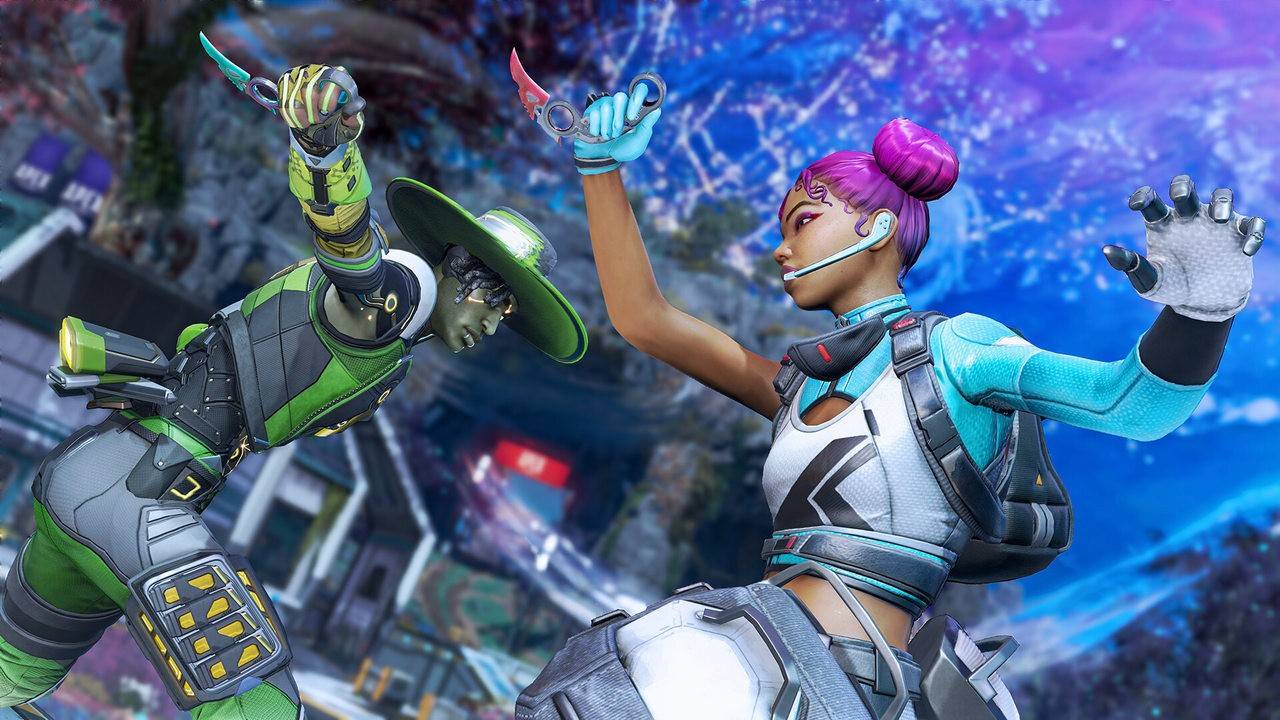
Apex Legends continue de chuter dans le nombre de joueurs simultanés
Dec 30,2024
-
2
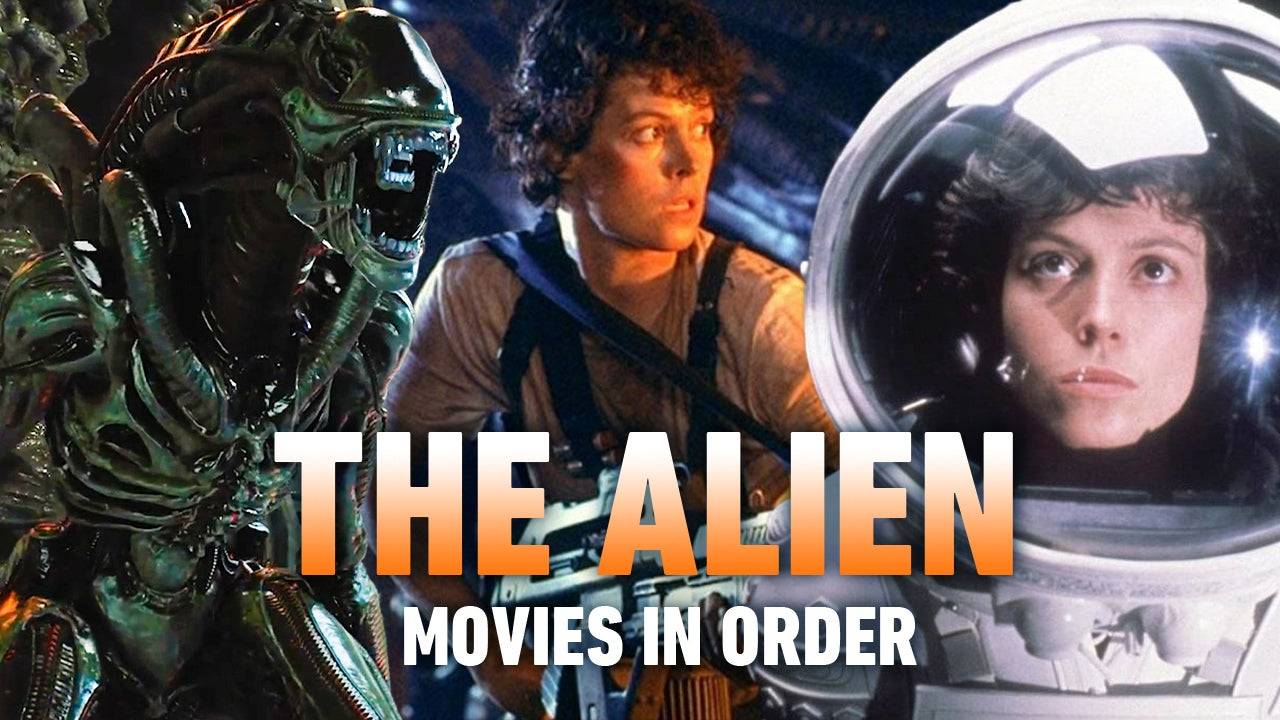
Alien: Romulus `` fixe '' terrible Ian Holm CGI pour la sortie à domicile, mais les fans pensent toujours que c'est assez mauvais
Mar 03,2025
-
3
Roblox : Codes de notoriété (janvier 2025)
Jan 17,2025
-
4
ROBLOX: Obtenez des codes exclusifs de la saison 2 de "Squid Game" pour les récompenses épiques
Feb 20,2025
-
5
Roblox King Legacy : codes de décembre 2024 (mis à jour)
Dec 24,2024
-
6

Métaphore: Refantazio publie une nouvelle mise à jour pour janvier 2025
Feb 20,2025
-
7
Call Of Duty : dates de test bêta de Black Ops 6 confirmées
Jan 05,2025
-
8
Sakamoto Puzzle se déroule au Japon
Jan 27,2025
-
9
Marvel Rivals fait ses débuts Midtown Map Mise à jour
Feb 02,2025
-
10

Anime Auto Chess: Janvier 2025 Liste des niveaux de trait
Mar 13,2025
-
Télécharger

Magnet Hero
Action / 45.6 MB
Mise à jour: Feb 11,2025
-
Télécharger

Raising Gang-Girls:Torment Mob
Jeu de rôle / 39.42M
Mise à jour: May 06,2023
-
Télécharger

Bulma Adventure 2
Occasionnel / 57.55M
Mise à jour: Mar 09,2024
-
4
Rusting Souls
-
5
Brawl Box Stars Simulator
-
6
Formes d'apprentissage de bébé
-
7
Love and Deepspace Mod
-
8
VRNOID demo(Meta Quest)
-
9
كلمة السر
-
10
IDV - IMAIOS DICOM Viewer