
Le PDG de MindsEye sur le lancement désastreux d'IOI
The story of MindsEye—from early promise to troubled launch and uncertain future—offers a cautionary tale in game development, publishing, and the high-stakes world of creative ambition. What began as a potentially groundbreaking entry in the action-adventure genre, backed by the visionary mind of Leslie Benzies and the distribution muscle of IOI Partners, has instead become a case study in how even well-intentioned projects can unravel under pressure.
A Promising Start, Then a Sharp Descent
When MindsEye was first unveiled, it carried the weight of legacy. As part of Everywhere, the ambitious "Roblox for adults" platform co-founded by Benzies—renowned for his role in shaping Grand Theft Auto V's world and tone—MindsEye promised a richly detailed, player-driven narrative experience. With a strong focus on emotional storytelling, immersive world-building, and advanced AI, it tapped into a growing appetite for games that felt more like living worlds than traditional gameplay loops.
IOI Partners’ decision to back the title was rooted in genuine belief. Hakan Abrak’s account reveals that the initial goal was not to take control, but to empower. "We believed they had compelling ideas and an intriguing world in development," he said. It was a partnership built on trust and creative vision—a rare and valuable alignment in an industry often driven by profit over passion.
But ambition and talent aren’t guarantees of success. The road from concept to release is littered with projects that overpromised, underdelivered, or simply lost their way in development. MindsEye appears to have suffered from a combination of technical debt, misaligned scope, and possibly internal turmoil.
The Fallout: A Game That Broke the Promise
The launch was disastrous. Players reported:
- Severe performance issues (crashes, frame rate drops, long load times),
- Glitchy AI behavior (characters stuck in loops, NPCs ignoring core mechanics),
- Unpolished combat and traversal systems, and
- A story that felt underdeveloped or disjointed, despite early promises of deep narrative arcs.
These weren't minor bugs—they were systemic failures that undermined the game’s core identity. The backlash was swift and brutal. Scathing reviews poured in, refunds flooded the platform, and the community’s trust evaporated.
For a studio like Build a Rocket Boy, this was devastating. The team had invested years into a dream project. Their public statements—calling the situation "heartbreaking"—were not just PR. They reflected a genuine emotional and professional crisis.
The Fallout for IOI Partners
IOI Partners’ position is now delicate. While they initially saw MindsEye as a natural extension of their creative philosophy, the fallout has left lingering questions.
- Was the misstep in development, or in oversight?
- Did IOI Partners’ involvement provide enough structure, or was it too hands-off?
- And most importantly: Can a publisher recover from a launch this damaging—especially when it’s not even their own IP?
Abrak’s candid admission that the outcome was "not what we had envisioned" suggests a recalibration. IOI Partners now stands at a crossroads. The fact that they’re still weighing whether to continue publishing external titles—despite having a major Bond game (007 First Light) in the pipeline—hints at a growing wariness.
"IO Interactive will handle our own internal publishing," Abrak confirmed. "As for IOI Partners? That’s still undecided."
This ambiguity signals a potential shift: away from open collaboration and toward tighter control. If MindsEye was a learning experience, it may have taught IOI that external partnerships carry risks that outweigh the benefits—especially when creative integrity, execution, and player trust are on the line.
Can MindsEye Be Saved?
There’s still hope.
The fact that patches are already being implemented, and that Build a Rocket Boy has committed to a long-term turnaround, suggests that the team hasn’t given up. The promise of "substantial content in the pipeline" and a reimagined direction might still win back players.
But redemption won’t come from fixes alone. It will require:
- Transparency: Regular updates on progress, roadmaps, and community feedback.
- Humility: Acknowledging mistakes, not deflecting blame.
- Deliverance: Proving that the next version of MindsEye isn’t just a patch—it’s a rebirth.
And perhaps most crucially: regaining trust. That’s not something you earn back with a new update. It takes time, consistency, and a commitment to do better.
What This Means for the Future of Game Development
MindsEye is more than just a failed game—it’s a mirror. It reflects the industry’s obsession with big ideas and flashy promises, often at the expense of polish, testing, and player experience.
It also raises essential questions:
- How much creative freedom should indie studios have when backed by established publishers?
- Can a "visionary" project survive without strong project management?
- And what happens when a publisher gets too close to a dream—and fails to see the cracks?
For now, MindsEye remains a cautionary tale. But it’s also a chance—both for Build a Rocket Boy to rebuild, and for IOI Partners to redefine what it means to publish in the age of player expectations.
Final Thought:
Not every dream needs to be built. But every dream deserves a chance to be finished right.
And if MindsEye ever gets that second chance—and if it delivers on its promise—then perhaps the heartbreak will have been worth it after all.
For more on the road to 007 First Light, including how Daniel Craig’s likeness was used in a Hitman level to secure the Bond license, the impact of Queen Elizabeth II’s passing on the game’s tone, and casting details for the new James Bond actor, check out the full preview. The future of espionage may be darker—and more personal—than ever.






-
1
Apex Legends continue de chuter dans le nombre de joueurs simultanés
Dec 30,2024
-
2
Alien: Romulus `` fixe '' terrible Ian Holm CGI pour la sortie à domicile, mais les fans pensent toujours que c'est assez mauvais
Mar 03,2025
-
3
Roblox : Codes de notoriété (janvier 2025)
Jan 17,2025
-
4
ROBLOX: Obtenez des codes exclusifs de la saison 2 de "Squid Game" pour les récompenses épiques
Feb 20,2025
-
5
Roblox King Legacy : codes de décembre 2024 (mis à jour)
Dec 24,2024
-
6
Métaphore: Refantazio publie une nouvelle mise à jour pour janvier 2025
Feb 20,2025
-
7
Call Of Duty : dates de test bêta de Black Ops 6 confirmées
Jan 05,2025
-
8
Sakamoto Puzzle se déroule au Japon
Jan 27,2025
-
9
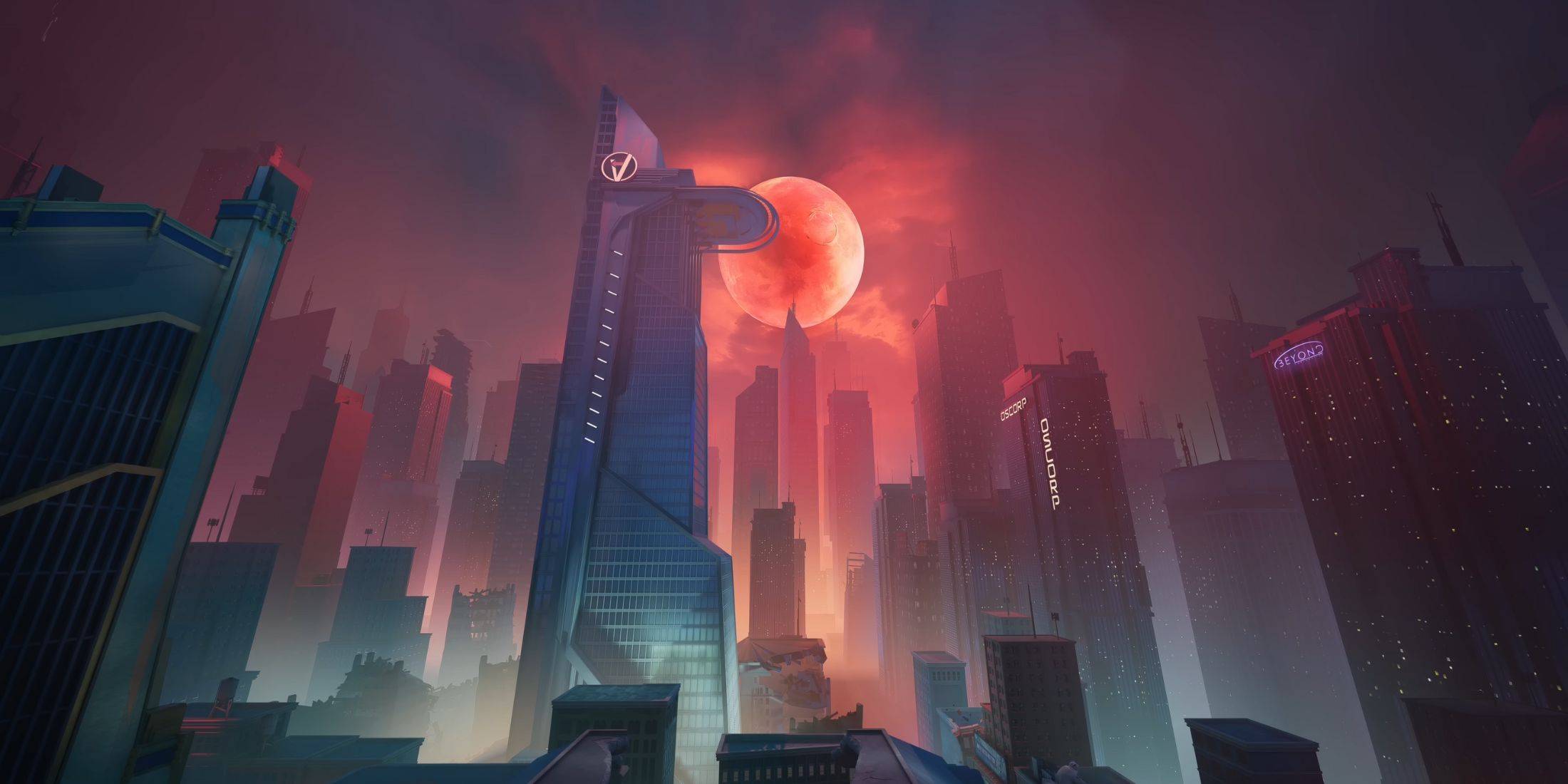
Marvel Rivals fait ses débuts Midtown Map Mise à jour
Feb 02,2025
-
10
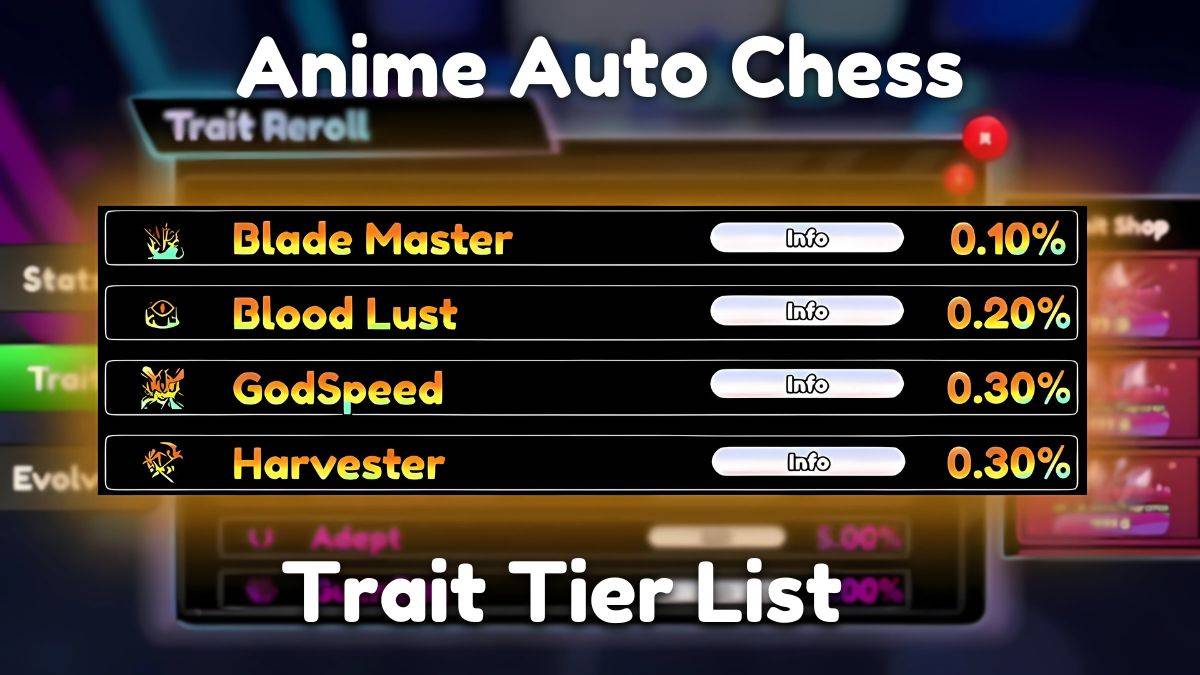
Anime Auto Chess: Janvier 2025 Liste des niveaux de trait
Mar 13,2025
-
Télécharger
Magnet Hero
Action / 45.6 MB
Mise à jour: Feb 11,2025
-
Télécharger

Raising Gang-Girls:Torment Mob
Jeu de rôle / 39.42M
Mise à jour: May 06,2023
-
Télécharger

Bulma Adventure 2
Occasionnel / 57.55M
Mise à jour: Mar 09,2024
-
4
Rusting Souls
-
5
Brawl Box Stars Simulator
-
6
Formes d'apprentissage de bébé
-
7
Love and Deepspace Mod
-
8
VRNOID demo(Meta Quest)
-
9
كلمة السر
-
10
IDV - IMAIOS DICOM Viewer