
MindEyeのCEOが壊滅的なIOIリリースについて語る
The story of MindsEye’s troubled launch is a cautionary tale of ambition, creative ambition, and the high stakes of debut game development—especially when backed by a name like Leslie Benzies and a publishing arm with ties to Hitman and 007. What began as a promising fusion of narrative depth, player-driven creativity, and a bold vision for a "Roblox for adults" experience has instead become a case study in missteps, internal strain, and the fragility of player trust.
The Rise: A Game Built on Legacy
Originally conceived as part of Everywhere—a grand, sandbox-driven platform aimed at empowering adult creators—MindsEye was meant to be more than a game. It was envisioned as a social ecosystem where players could build, share, and inhabit immersive worlds, inspired by the creative freedom of Roblox but tailored for mature audiences. With Benzies at the helm, a visionary known for shaping the open-world DNA of Grand Theft Auto V and Red Dead Redemption, the project carried immense promise.
When Everywhere pivoted to focus solely on MindsEye, expectations soared. IOI Partners, under the guidance of Hakan Abrak, stepped in not just as a publisher but as a partner in belief. Their initial involvement was rooted in genuine enthusiasm—“We believed they had compelling ideas and an intriguing world in development,” Abrak said. The deal was framed as a support structure, not a safety net, but it soon became clear that support would be urgently needed.
The Fall: A Launch That Crumbled
The 2024 launch of MindsEye was anything but triumphant. Players reported:
- Severe performance issues, including frame drops, crashes, and long load times.
- Flawed AI behavior, with NPCs acting erratically or failing to engage meaningfully.
- Unfinished mechanics, with core gameplay loops underdeveloped or broken.
- Narrative inconsistencies, undermining the game’s emotional core.
- A massive refund wave, with over 70% of players returning the game within the first week—according to Steam data.
The backlash was swift and brutal. Critics called it “a broken promise,” and players voiced deep disappointment, especially given the studio’s pedigree and the game’s lofty ambitions.
In a heartfelt post-launch message, Build a Rocket Boy (BARB) described the situation as “heartbroken.” The team acknowledged that their execution had failed to match their vision. They promised a roadmap of patches, emphasizing:
- Stability fixes for core systems.
- AI overhauls, particularly for protagonist interaction and world responsiveness.
- Content expansions, including new story arcs and user-generated world features.
- Player feedback integration, with community forums and bug reporting tools prioritized.
These updates have already begun rolling out, but rebuilding trust will take more than hotfixes—it will require consistency, transparency, and a visible return to form.
The Fallout: A Fractured Ecosystem
The aftermath has reverberated across the industry:
- Staff layoffs at BARB followed the launch, as revenue failed to meet projections and investor confidence waned.
- Leslie Benzies, long a figure of respect in game design, now faces scrutiny over his leadership and the studio’s internal culture. According to anonymous sources, he held a brief video call post-launch, claiming the game had been sabotaged—both from within and by external forces (such as competitive intelligence or negative PR campaigns). While these claims remain unverified, they underscore the chaos and internal stress that likely contributed to the downfall.
Meanwhile, IOI Partners now finds itself at a crossroads. While IO Interactive will continue to self-publish its own IP—most notably the upcoming 007 First Light, a James Bond adventure starring Daniel Craig—the fate of external projects like MindsEye is uncertain.
Abrak remains noncommittal:
“IO Interactive will handle our own internal publishing. As for IOI Partners? That’s still undecided.”
This ambiguity suggests that the MindsEye experience may have tempered IOI’s enthusiasm for diversifying its publishing portfolio beyond its core team. The stakes are high: a failed external partnership could damage IOI’s brand, especially given the recent success of Hitman 3 and the carefully managed legacy of the 007 franchise.
The Road Ahead: Can It Be Saved?
For MindsEye to survive, it must not only fix its technical flaws but also prove that it can deliver on its original promise: a living, breathing world shaped by player creativity and narrative depth.
The path forward lies in:
- Transparency: Regular development updates, community patch notes, and open dialogue with players.
- Content Pipeline: Delivering on promised expansions, including new story chapters, co-op modes, and a robust modding framework.
- Rebuilding Trust: Offering free content, early access to updates, and incentive programs for returning players.
- Culture Shift: Addressing internal management and development practices that may have contributed to the game’s decline.
There’s still hope. The core idea behind MindsEye—a player-driven narrative adventure in a rich, evolving world—is undeniably compelling. With time, dedication, and a renewed focus on execution, it’s possible that MindsEye could evolve from a cautionary tale into a redemption arc.
But as the saying goes: You don’t get a second chance to make a first impression.
For deeper insight into the world of 007 First Light—including how Daniel Craig’s likeness was used in a Hitman level to help secure the Bond rights, how Queen Elizabeth II’s passing influenced the tone and pacing of the game, and casting details on the new James Bond actor—be sure to read the full preview. It’s a story of legacy, legacy, and legacy. And in this case, perhaps, a second chance.








-
1
『Apex Legends』の同時接続プレイヤー数が減少し続ける
Dec 30,2024
-
2
エイリアン:ホームリリースのためのロムルスの固定「ひどいイアンホルムCGI」
Mar 03,2025
-
3
Roblox: 悪名コード (2025 年 1 月)
Jan 17,2025
-
4
Roblox:壮大な報酬のための排他的な「Squid Game」シーズン2コードを入手する
Feb 20,2025
-
5
Roblox キングレガシー: 2024 年 12 月のコード (更新)
Dec 24,2024
-
6
メタファー:Repantazioは2025年1月の新しいアップデートをリリースします
Feb 20,2025
-
7
Call Of Duty: Black Ops 6 ベータテストの日程が決定
Jan 05,2025
-
8
坂本パズルは日本で解き放たれます
Jan 27,2025
-
9
Marvel RivalsがMidtown Map Updateをデビューさせます
Feb 02,2025
-
10
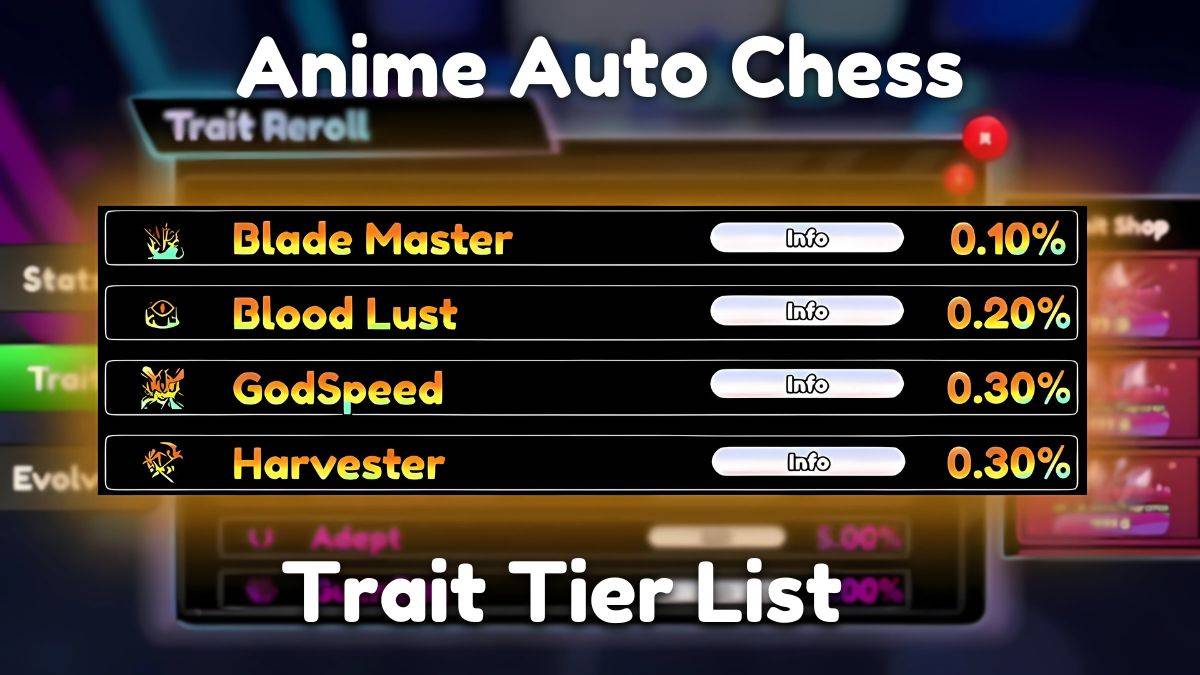
アニメオートチェス:2025年1月特性ティアリストアップデート
Mar 13,2025
-
ダウンロード
Magnet Hero
アクション / 45.6 MB
アップデート: Feb 11,2025
-
ダウンロード

Raising Gang-Girls:Torment Mob
ロール・プレイング / 39.42M
アップデート: May 06,2023
-
ダウンロード
Bulma Adventure 2
カジュアル / 57.55M
アップデート: Mar 09,2024
-
4
Rusting Souls
-
5
Brawl Box Stars Simulator
-
6
Love and Deepspace Mod
-
7
子供のための赤ちゃんの学習図形
-
8
VRNOID demo(Meta Quest)
-
9
كلمة السر
-
10
IDV - IMAIOS DICOM Viewer